Creative Clock Cartoon Line Art for Modern Offices
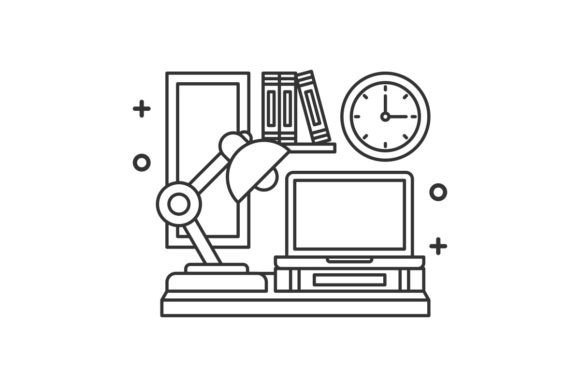
Imagine a design element that instantly communicates structure, time, and productivity with a friendly, approachable aesthetic. This is precisely what a Home Office Wall with Clock Cartoon Line illustration offers, blending practicality with a playful visual style. As a versatile vector asset, it serves as a cornerstone for projects that need to convey reliability and modernity without sacrificing warmth. For designers, this style provides a powerful tool to create visual narratives around time management, efficiency, and contemporary work culture.
Why This Visual Style Matters in Modern Design
In an era where remote work and home offices are normalized, visual communication must reflect these environments authentically. A cartoon line art style, characterized by clean strokes and minimal detail, achieves a balance between professionalism and approachability. It avoids the coldness of photorealism while steering clear of overly childish illustrations. This makes it ideal for brands targeting freelancers, startups, or any audience valuing a blend of productivity and comfort. The clock element specifically adds a layer of urgency and structure, subtly reinforcing themes of deadlines, schedules, and efficient workflow.
Practical Applications for Designers and Marketers
The utility of this asset spans numerous creative domains. Its vector format ensures scalability, meaning it can be adapted from a small social media icon to a large banner without losing quality. Here are key areas where it excels:
- Branding and Logo Design: Integrate the clock motif into logos for productivity apps, scheduling tools, or coworking spaces to create an immediate visual association with time and organization.
- Marketing Materials: Use it in brochures, flyers, or email headers for promotions related to time-limited offers, new service launches, or remote work solutions.
- Social Media Content: Create engaging posts, stories, or animated graphics that highlight tips on time management, project deadlines, or work-from-home setups.
- Website and UI Design: Employ it as an illustrative element in user interfaces for calendar features, productivity dashboards, or as a loading screen graphic that keeps users engaged.
- Editorial Layouts: Enhance articles, blog posts, or e-books about productivity, home office design, or career development with this contextual illustration.
- Packaging Design: For products like planners, stationery, or tech accessories, this style can create shelf appeal that communicates utility and modern design sensibility.
Tips for Effective Integration and Selection
When incorporating this type of asset, consider its role within your broader visual hierarchy. Does it support the main message or distract from it? Ensure the line weight and style are consistent with other graphic elements in your project. For example, a thicker line weight conveys boldness and confidence, while a thinner line feels more delicate and refined.
Color palette selection is critical. The cartoon line art often works best with a limited, harmonious color scheme. Using your brand’s primary colors can strengthen brand identity, while complementary or analogous colors can create visual interest without overwhelming the composition. Always test the asset at various sizes to ensure readability, especially if small details are present. Furthermore, consider the context of your audience. A playful, cartoon style might resonate perfectly with a creative agency’s website but may need adjustment—perhaps a more restrained color palette or cleaner lines—for a corporate financial report.
Finally, think about composition. Placing the clock illustration near headlines about deadlines, next to a call-to-action for signing up, or as a background watermark can guide the viewer’s eye and reinforce key points. The goal is to create a seamless blend between the illustration and the content, where the visual element enhances comprehension and engagement.
Thoughtful design is about making intentional choices that serve both form and function. Selecting a high-quality, versatile creative asset like this one is not merely an aesthetic decision; it’s a strategic move to improve communication, strengthen brand perception, and create a more engaging user experience. By leveraging such resources effectively, designers and creators can elevate their projects from merely visually appealing to truly impactful and memorable.